-
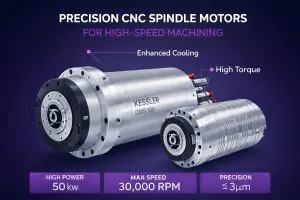
Kessler C 40 Spindle Repair: Precision Milling When Stability Starts to Shift
The Kessler C 40 is engineered for high-speed precision milling applications where tool interface stability, thermal control, and dynamic balance directly affect part quality. When internal conditions begin to change, performance rarely degrades suddenly. Instead, users notice subtle shifts—finish quality declining at higher RPM, accuracy changing as the spindle warms, or vibration appearing only in…
-
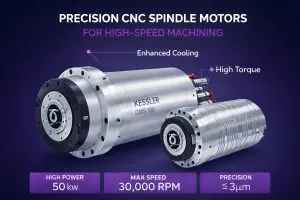
Kessler DMS 100 Spindle Repair: Milling Stability Under Sustained Load
The Kessler DMS 100 is engineered for demanding milling applications where rigidity, thermal mass, and load capacity are critical to maintaining accuracy. When internal conditions begin to change, performance rarely drops off suddenly. Instead, users notice gradual shifts—milling accuracy drifting during longer or heavier cutting cycles, finish degrading under sustained load, or a shrinking stable…
-
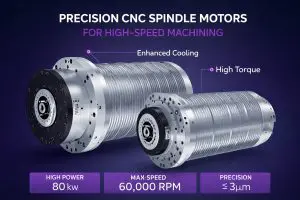
Kessler DMS 80 Spindle Repair: Milling Accuracy Under Heat and Load
The Kessler DMS 80 is engineered for high-precision milling applications where thermal stability, rigidity, and tool interface integrity directly affect part accuracy. When internal conditions begin to change, performance rarely degrades all at once. Instead, users notice gradual shifts—milling accuracy drifting as the spindle warms, stiffness decreasing during heavier cuts, or a narrowing stable process…
-
IBAG Spindle Comparison Guide
Understanding IBAG HF-Series Performance Issues by Application IBAG spindles are designed for precision machining environments where accuracy, finish, and stability matter more than raw speed. When performance begins to change, failures rarely appear as sudden breakdowns. Instead, users notice gradual, application-specific symptoms that depend heavily on spindle size, torque capacity, and duty cycle. This guide…
-
IBAG HF300 Spindle Repair: Stability and Power Under Load
The IBAG HF300 is designed for applications that demand both precision and rigidity under significant cutting loads. When internal conditions begin to change, performance rarely degrades across the board. Instead, users often notice selective issues—vibration appearing during aggressive machining, finish quality breaking down under load, or a shrinking stable process window—while the spindle itself continues…
-
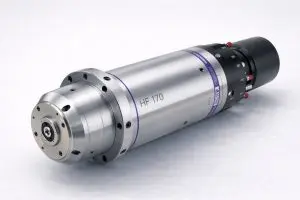
IBAG HF170 Spindle Repair: When Accuracy Shifts as Temperatures Rise
If you’re researching IBAG HF170 spindle repair, the spindle likely hasn’t failed outright. Instead, accuracy or surface finish changes become more noticeable as run time increases or as operating speeds rise. Early in a cycle, results may look acceptable—only to drift as thermal conditions change. This behavior is common with HF170 spindles and usually points…
-
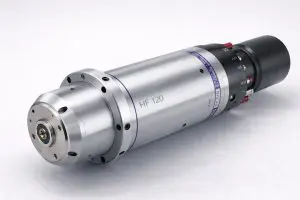
IBAG HF120 Spindle Repair: When Accuracy Starts to Fade
The IBAG HF120 is designed for applications where accuracy and finish matter more than brute force. When performance begins to change, it rarely does so dramatically. Instead, users notice gradual shifts—subtle finish degradation, minor size variation, or reduced repeatability—while the spindle itself continues to run quietly. These early warning signs are often the result of…
-
GMN UH Series Spindle Comparison Guide
Understanding UH Spindle Accuracy Issues by Model The GMN UH series is designed for ultra-precision grinding applications where roundness, form accuracy, and repeatability matter more than speed or power. Unlike production spindles that fail loudly, UH spindles typically degrade quietly—with accuracy drifting long before vibration or noise appears. This guide helps answer one key question:…
-
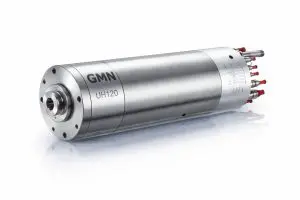
GMN UH 120 Spindle Repair: When Form Accuracy Starts to Slip
If you’re researching GMN UH 120 spindle repair, the spindle likely still runs quietly and smoothly. There’s no chatter, no obvious vibration — yet form accuracy or profile consistency is no longer what it used to be. This is a common UH 120 scenario and typically points to bearing wear affecting stiffness and geometric control,…
-
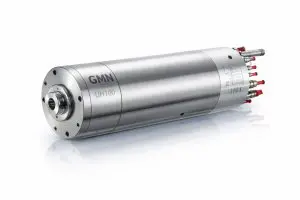
GMN UH 100 Spindle Repair: When Size and Form Drift on Larger Bores
GMN UH 100 Spindle Repair: When Size and Form Drift on Larger Bores If you’re researching GMN UH 100 spindle repair, the spindle likely still runs quietly and smoothly. There’s no chatter, no obvious vibration — yet parts are no longer holding size or form, especially on larger internal diameters. This is a common UH…
For Spindle Repair Call: (678) 225-7855