Ultra-High-Speed Stability When Micron-Level Accuracy Starts to Drift
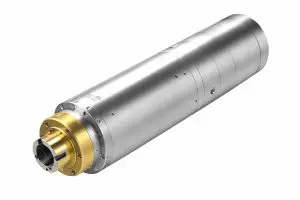
Fischer HSK micromilling spindles are engineered for extreme rotational speeds, micron-level accuracy, and exceptional balance, making them ideal for micromilling applications where tool diameters are small and tolerances are unforgiving.
When problems develop, these spindles rarely fail outright. Instead, users notice finish degradation, tool breakage, or instability at speed, often without obvious vibration or noise. In micromilling, even minimal internal change can have an outsized effect on results.
This page explains how Fischer HSK micromilling spindles behave as wear develops, what symptoms matter most, and when repair should be considered.
Why HSK Interfaces Matter in Micromilling
In micromilling applications:
-
Tool diameters are extremely small
-
Cutting forces are low but precise
-
Runout tolerance is measured in microns
-
Any imbalance is amplified at speed
The HSK interface provides:
-
High positional repeatability
-
Superior balance at ultra-high RPM
-
Improved tool interface stability
However, this also means bearing condition and balance accuracy must remain near-perfect for consistent results.
Typical Applications for Fischer HSK Micromilling Spindles
Fischer HSK micromilling spindles are commonly used in:
-
Medical device manufacturing
-
Aerospace micro-features
-
Precision mold and die work
-
Micro-machining of hardened steels
-
Graphite and composite micromilling
In these environments, tool life and surface integrity are often the first indicators of spindle health.
Early Warning Signs in HSK Micromilling Spindles
Finish degradation at high RPM
Users often notice:
-
Surface finish breaking down at operating speed
-
Micro-tool marks appearing unexpectedly
-
Acceptable results only at reduced RPM
This behavior commonly points to balance sensitivity or early bearing wear, not CAM strategy issues.
Increased micro-tool breakage
Because micromilling tools are fragile:
-
Even slight runout increases breakage rates
-
Tool life shortens without parameter changes
-
Failures appear inconsistent
This often reflects loss of spindle stability, not tooling quality.
Speed-specific instability
Common patterns include:
-
Stable operation in some RPM ranges
-
Instability appearing only at target cutting speed
-
Smooth operation outside those ranges
At Fischer operating speeds, small balance changes become very visible.
Accuracy drift during longer runs
In sustained micromilling cycles:
-
Feature size varies slightly over time
-
Compensation increases
-
Results differ between cold and warm operation
This typically reflects thermal or preload changes inside the spindle.
What’s Typically Happening Inside the Spindle
In micromilling applications, wear usually develops as:
-
Bearing preload changes at speed
-
Micro-imbalance developing over time
-
Thermal behavior affecting shaft position
Because Fischer HSK spindles are built for extreme precision, issues appear in the process long before mechanical failure.
Why Micromilling Spindle Issues Are Often Misdiagnosed
Problems are frequently blamed on:
-
Tool quality or coatings
-
CAM strategies
-
Machine accuracy
While those matter, recurring issues tied to RPM, temperature, or tool life often indicate internal spindle condition instead.
Repair vs Replacement for Fischer HSK Micromilling Spindles
Fischer micromilling spindles represent a major investment. OEM replacement often involves:
-
Long lead times
-
High replacement cost
-
Extended production downtime
In many cases, early spindle repair restores balance, accuracy, and stability, preventing further tool damage and scrap.
What Fischer HSK Micromilling Spindle Repair Typically Involves
Depending on condition, repair may include:
-
Ultra-precision bearing replacement
-
High-speed dynamic balancing
-
Thermal and vibration analysis
-
Run-in testing at operating RPM
At micromilling speeds, balance accuracy and preload control are critical to a successful repair.
Manufacturer Guidance for Fischer Micromilling Spindles
Manufacturer documentation for Fischer high-speed spindles emphasizes:
-
Proper warm-up before high-RPM operation
-
Avoiding shock loads during tool engagement
-
Maintaining clean lubrication and cooling
-
Monitoring finish quality, tool life, and vibration trends
-
Investigating changes early
Users should always consult official Fischer documentation specific to their HSK spindle model and configuration.
Request a Quote
Request a Quote
-
Fischer Micromilling Spindle Preventative Maintenance
Protecting Tool Life, Finish Quality, and Micron-Level Accuracy Fischer micromilling spindles operate at the edge of what machining systems can tolerate. Tool diameters are small, tolerances are measured in microns, and spindle speeds amplify even the slightest imbalance or runout. In this environment, spindle problems rarely appear as loud failures or obvious alarms. Instead, they…
-
Fischer HSK-A Micromilling Spindle Repair
Fischer Spindle Repair · HSK-A Micromilling Fischer HSK-A Micromilling Spindle Repair Fischer HSK-A micromilling spindles are built for precision finishing and micro-feature work where dimensional consistency over long cycles is non-negotiable. When accuracy drifts, finish quality degrades, or your usable process window starts to shrink — the spindle’s thermal stability and preload condition are the…
-
Fischer HSK-E Micromilling Spindle Repair
When Micro-Tool Life and Finish Degrade Without Obvious Vibration Fischer HSK-E micromilling spindles are designed for extreme precision, where tool diameters are small, cutting forces are minimal, and tolerances are unforgiving. In these environments, spindle issues rarely present as noise or obvious vibration. Instead, users notice shortened micro-tool life, subtle finish degradation, or instability at…
-
Fischer HSK Micromilling Spindles
Understanding the Fischer HSK Product Line for Ultra-High-Precision Machining Fischer HSK micromilling spindles are engineered for applications where extreme rotational speed, minimal runout, and thermal stability are non-negotiable. In micromilling environments, even small deviations in spindle behavior can directly affect tool life, surface finish, and dimensional accuracy. This page provides an overview of the Fischer…