
Spindles for Robotics
Spindles for Robotic Machining & Trimming
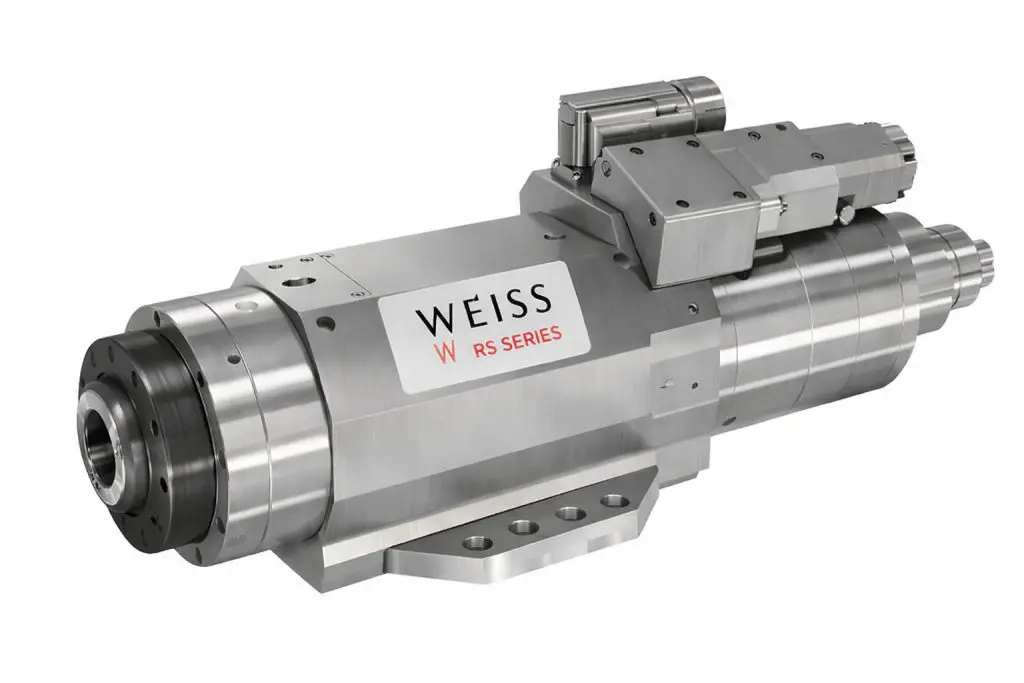
How Side Load, Reach, and Duty Cycle Expose Spindle Wear Robotic machining and trimming introduce challenges that traditional CNC machines rarely face. Long reach, changing leverage, and continuous side loading place non-traditional stresses on the spindle. As a result, spindle wear in robotic cells often appears as finish inconsistency, tool life loss, or heat—not loud…
Read MoreRobotic Spindle Preventative Maintenance
How to Extend Spindle Life in Robot-Mounted Machining Cells Robotic machining environments place very different demands on spindles than traditional CNC machines. Constant motion, changing orientation, and fluctuating cutting loads amplify even small changes in spindle condition. As a result, robotic spindles rarely fail suddenly. Instead, they drift out of optimal performance, often long before…
Read MoreWeiss RS 50 Spindle Repair
High-Load Robotic Milling When Torque and Stiffness Start to Fall Off The Weiss RS 50 is engineered for robotic machining applications that demand higher torque, increased stiffness, and stable performance under sustained cutting loads. When internal conditions begin to change, performance rarely fails all at once. Instead, users notice gradual shifts—milling instability during aggressive cuts,…
Read MoreWeiss RS 40 Spindle Repair
Robotic Milling When Load and Motion Expose Instability The Weiss RS 40 is designed for robotic machining applications that place higher cutting loads on the spindle while still requiring stability during continuous multi-axis motion. When internal conditions begin to change, performance rarely fails abruptly. Instead, users notice gradual shifts—milling instability appearing during heavier cuts, vibration…
Read MoreHSD ES789 Spindle Repair: When Finish Quality Declines Without Obvious Vibration
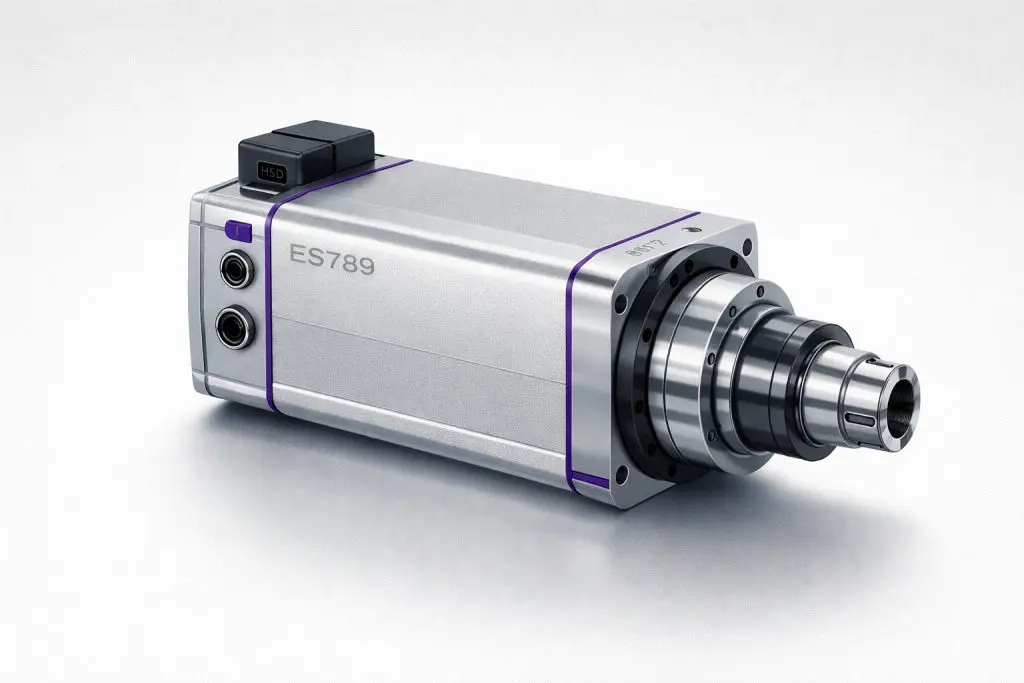
If you’re looking into HSD ES789 spindle repair, you’re likely dealing with a frustrating problem: finish quality is getting worse, but the spindle doesn’t sound bad and nothing obvious appears “broken.” Edges lose sharpness, surfaces feel inconsistent, and small defects begin to appear even though tooling and programs haven’t changed. This is a common ES789…
Read MoreHSD ES779 Spindle Repair: When Tool Changes Start Affecting Cut Quality
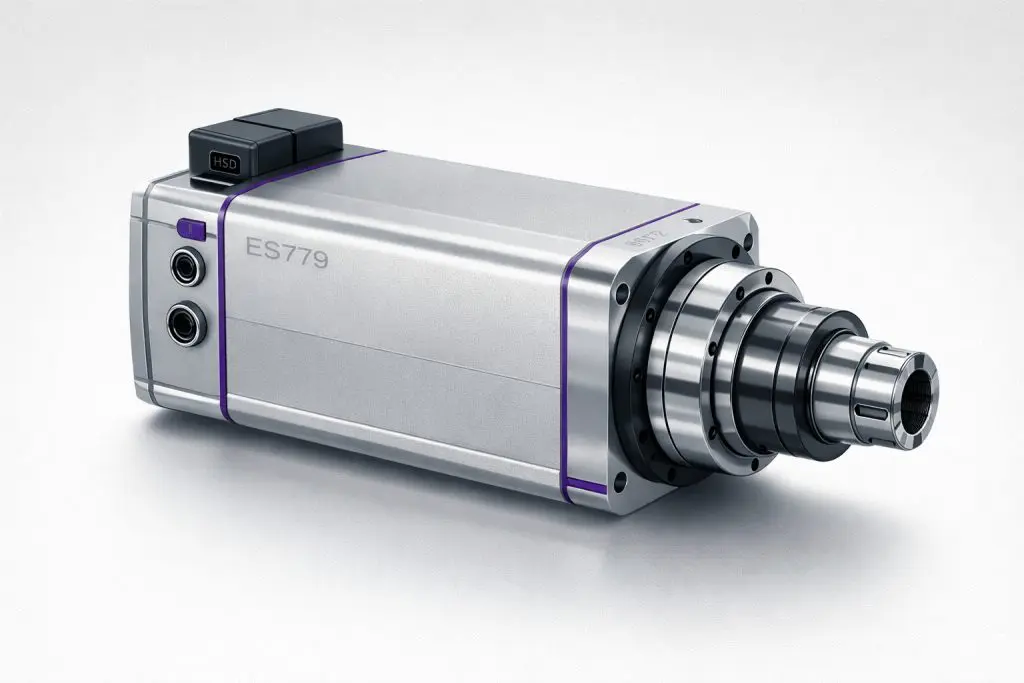
If you’re researching HSD ES779 spindle repair, chances are you’re dealing with something subtle—but disruptive. Unlike spindles that fail with constant noise or vibration, the ES779 often creates problems that show up between tool changes. Finish quality varies from tool to tool, vibration feels inconsistent, and it becomes difficult to tell whether the issue is…
Read MoreHSD ES330 Spindle Repair: Symptoms, Failures, and Repair Options
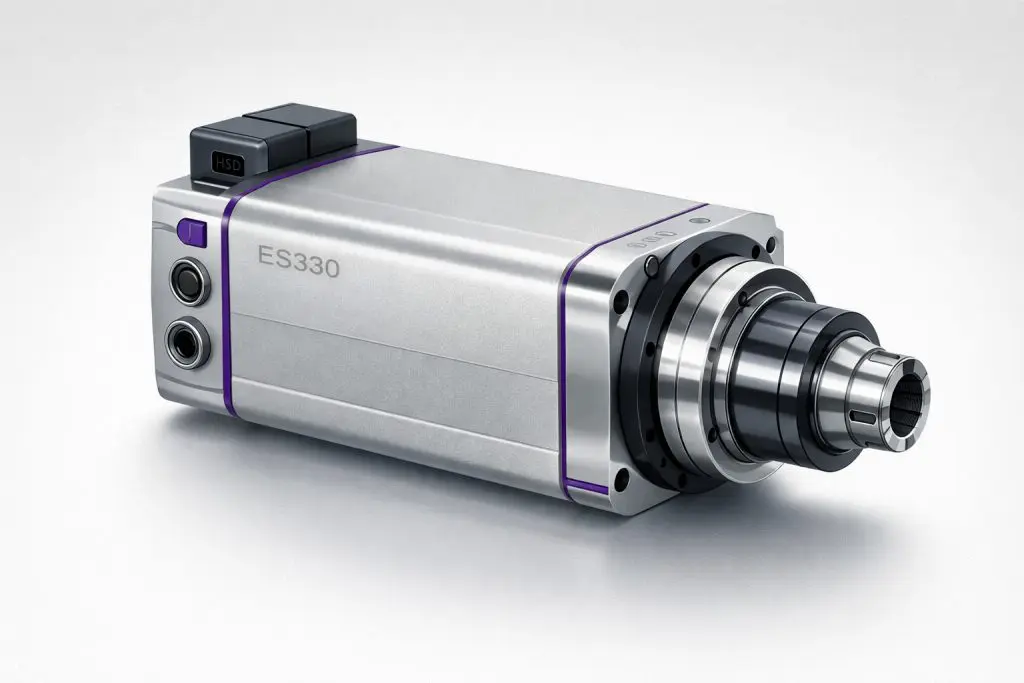
If you’re searching for HSD ES330 spindle repair, you’re usually trying to answer one of three questions: This page focuses on those real-world decisions—because most ES330 problems show up as process problems first (finish, chatter, tool life), then become mechanical problems if ignored. Atlanta Precision Spindles supports high-speed spindle repair with contamination control, correct bearing…
Read More