
Fischer HSK-E Micromilling Spindle Repair
When Micro-Tool Life and Finish Degrade Without Obvious Vibration
Fischer HSK-E micromilling spindles are designed for extreme precision, where tool diameters are small, cutting forces are minimal, and tolerances are unforgiving. In these environments, spindle issues rarely present as noise or obvious vibration. Instead, users notice shortened micro-tool life, subtle finish degradation, or instability at specific RPM ranges—often while the spindle still sounds normal.
If you’re researching Fischer HSK-E spindle repair, it’s usually because process stability has changed, not because the spindle has failed outright.
Why HSK-E Is Used in Micromilling
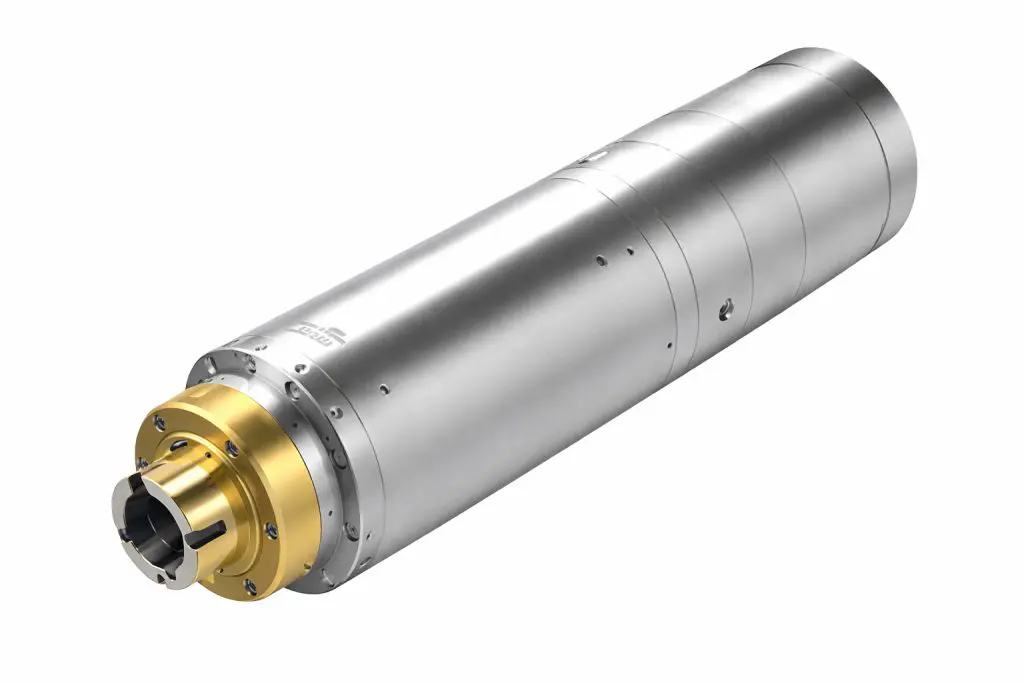
HSK-E interfaces are commonly selected for micromilling because they prioritize:
- Extremely tight runout control
- Excellent balance characteristics at ultra-high RPM
- Repeatable tool positioning
- Minimal interface mass
These characteristics make HSK-E ideal for medical, micro-feature, and precision finishing applications, but they also mean that very small internal changes show up quickly in production results.
Typical Applications for Fischer HSK-E Micromilling Spindles
HSK-E micromilling spindles are commonly used in:
- Medical device manufacturing
- Micro-features in aerospace components
- Precision mold and insert finishing
- Micromachining of hardened materials
- Graphite and composite micromilling
In these applications, tool life and surface integrity are often the first indicators of spindle condition.
Early Warning Signs Specific to HSK-E Spindles
Increased micro-tool breakage
One of the most common HSK-E symptoms is:
- Tools breaking sooner than expected
- Breakage occurring inconsistently
- No obvious change in feeds or speeds
Because micro-tools are extremely sensitive to runout, even minor spindle instability can dramatically shorten tool life.
Finish degradation at target RPM
Users may notice:
- Surface finish breaking down at normal operating speed
- Acceptable results only at reduced RPM
- Micro-tool marks appearing unexpectedly
This behavior often points to balance sensitivity or early bearing wear, not CAM strategy issues.
Narrowing stable speed range
As internal conditions change:
- Fewer RPM ranges produce acceptable results
- Instability appears in narrow bands
- Operators avoid certain speeds altogether
At micromilling speeds, small balance changes become very noticeable.
Accuracy drift during longer runs
In extended micromilling cycles:
- Feature dimensions vary slightly over time
- Cold parts differ from warm parts
- Compensation increases gradually
This pattern commonly reflects thermal or preload changes inside the spindle.
What’s Typically Happening Internally
In Fischer HSK-E micromilling spindles, early performance issues often stem from:
- Bearing preload shifts at high RPM
- Micro-imbalance developing over time
- Thermal behavior affecting shaft position
- Slight increases in effective runout
Because HSK-E applications operate with such tight margins, process symptoms appear long before mechanical failure.
Why HSK-E Issues Are Often Misdiagnosed
When micromilling results degrade, attention often turns to:
- Tool suppliers or coatings
- CAM strategies
- Machine accuracy
While these factors matter, repeated issues tied to RPM, temperature, or tool life often indicate internal spindle condition instead.
Repair vs Replacement for Fischer HSK-E Spindles
Fischer HSK-E micromilling spindles represent a significant investment, and OEM replacement can involve:
- Long lead times
- High replacement cost
- Extended downtime
In many cases, early spindle repair restores balance, runout control, and thermal stability, allowing micromilling performance to return without full replacement.
What Fischer HSK-E Micromilling Spindle Repair Typically Involves
Depending on condition, repair may include:
- Ultra-precision bearing replacement
- High-speed dynamic balancing
- Thermal and vibration analysis
- Run-in testing at operating RPM
At micromilling speeds, balance accuracy and preload control are critical to a successful repair.
Manufacturer Guidance for Fischer Micromilling Spindles
According to manufacturer guidance for Fischer micromilling spindle technology, ultra-high-speed machining places exceptional demands on balance accuracy, runout control, and thermal stability. Even small internal changes can affect surface finish, tool life, and process stability long before mechanical failure occurs.
👉 Reference:
Fischer – Micromilling Spindle Technology Overview (PDF)
https://www.fischerspindle.com/fileadmin/productfinder/brochure/Brochure_MICRO_MILLING_EN.pdf
Final Thought
In micromilling, spindles don’t fail loudly.
Fischer HSK-E spindles usually signal problems through tool breakage, finish degradation, and speed-specific instability long before failure occurs. Recognizing those signals early is the key to protecting both tool life and production quality.
Illustrations are representative and used for educational purposes; actual spindle configurations may vary.