
Fischer HSK Micromilling Spindles
Understanding the Fischer HSK Product Line for Ultra-High-Precision Machining
Fischer HSK micromilling spindles are engineered for applications where extreme rotational speed, minimal runout, and thermal stability are non-negotiable. In micromilling environments, even small deviations in spindle behavior can directly affect tool life, surface finish, and dimensional accuracy.
This page provides an overview of the Fischer HSK micromilling product line, how different HSK interfaces are used, and how performance issues typically present as these spindles age or drift out of optimal condition.
Why Fischer Uses HSK Interfaces for Micromilling
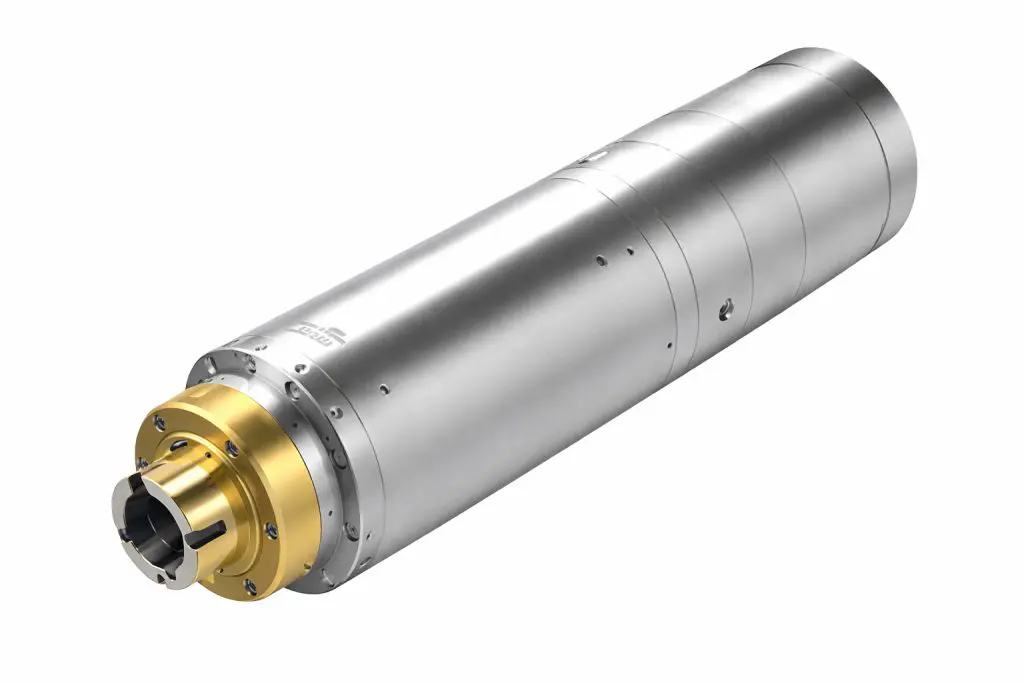
Micromilling places unique demands on the spindle interface:
- Very small tool diameters
- Tight runout tolerances
- High sensitivity to imbalance
- Ultra-high operating speeds
The HSK interface is well suited to these demands because it offers:
The HSK interface is well suited to these demands because it offers:
- High positional repeatability
- Excellent balance characteristics at speed
- Consistent clamping behavior
- Reduced interface distortion at high RPM
For Fischer micromilling spindles, the HSK interface is a core part of achieving stable, repeatable results, not just a tooling choice.
Fischer HSK Micromilling Product Line — At a High Level
Fischer’s HSK micromilling spindles are typically configured around:
- Ultra-high rotational speed capability
- Precision bearing systems optimized for low runout
- Balance and thermal behavior tuned for micro-tools
- Interfaces intended for light cutting forces with extreme accuracy
Rather than separating products purely by speed or power, Fischer HSK spindles are differentiated by interface style and application focus, which directly affects how wear and performance changes show up in production.
Common Fischer HSK Interface Types Used in Micromilling
HSK-E Micromilling Spindles
HSK-E interfaces are commonly used where:
- Tool diameters are extremely small
- Balance requirements are exceptionally tight
- Medical and micro-feature machining is common
These spindles tend to show performance issues first through:
- Increased micro-tool breakage
- Subtle finish degradation
- Narrowing stable speed ranges
HSK-A Micromilling Spindles
HSK-A interfaces are often selected for:
- Mold and die micromilling
- Precision finishing operations
- Applications requiring slightly more versatility
In these spindles, early issues often appear as:
- Speed-specific instability
- Accuracy drift over longer cycles
- Finish changes tied to temperature
(Individual HSK interface pages will expand on symptoms, repair options, and preventative practices in detail.)
How Performance Issues Typically Appear in Fischer HSK Spindles
Across the HSK micromilling product line, problems rarely start as mechanical failures. Instead, users typically notice:
- Surface finish breaking down at target RPM
- Micro-tool life decreasing without parameter changes
- Instability limited to narrow speed ranges
- Accuracy drifting during longer, high-speed runs
Because micromilling operates with such tight margins, small internal changes are magnified in the process.
What’s Usually Happening Internally
In Fischer HSK micromilling spindles, early performance changes are often related to:
- Bearing preload shifts at high speed
- Balance sensitivity developing over time
- Thermal behavior affecting shaft position
- Micro-movement that increases effective runout
These conditions typically worsen gradually, not suddenly.
Why Fischer HSK Spindles Are Often Misdiagnosed
When micromilling results degrade, attention often turns to:
- Tool coatings or suppliers
- CAM strategies
- Machine geometry
While those factors matter, recurring issues that correlate with RPM, temperature, or tool life often indicate spindle condition rather than tooling alone.
Repair vs Replacement for Fischer HSK Micromilling Spindles
Fischer HSK spindles represent a significant investment, and OEM replacement often involves long lead times and high cost.
In many cases, early spindle repair restores balance, runout control, and thermal stability, allowing micromilling performance to return without the disruption of full replacement.
Manufacturer Guidance for Fischer Micromilling Spindles
According to manufacturer guidance for Fischer micromilling spindle technology, ultra-high-speed machining places exceptional demands on:
- Balance accuracy
- Runout control
- Thermal stability
As a result, even small internal changes can affect surface finish, tool life, and process stability long before mechanical failure occurs.
👉 Reference:
Fischer – Micromilling Spindle Technology Overview (PDF)
https://www.fischerspindle.com/fileadmin/productfinder/brochure/Brochure_MICRO_MILLING_EN.pdf
Final Thought
In micromilling, spindles don’t fail loudly.
Fischer HSK spindles usually communicate problems through finish changes, tool breakage, and speed-specific instability first. Understanding how the HSK product line behaves as a system makes it easier to decide when evaluation or repair makes sense.
Illustrations are representative and used for educational purposes; actual spindle configurations may vary.