
Posts by Atlanta Precision Spindles
MultiCam 5000 Series Spindle Repair
Restoring Stability, Finish Quality, and High-RPM Performance The MultiCam 5000 Series is built for industrial CNC routing environments where rigidity, speed, and production volume matter. These machines commonly run high-speed electrospindles designed for continuous-duty cutting in wood, plastics, aluminum, and composite materials. Over time, however, sustained high RPM and contamination exposure can gradually degrade spindle…
Read MoreIs It the Spindle or the Router?

MultiCam Diagnostic Guide for Finish, Vibration, and Accuracy Issues When a MultiCam 3000 Series (or similar router) starts producing poor finish, inconsistent edges, or vibration at higher RPM, the first question most shops ask is: Is the problem the machine… or the spindle? Because the spindle is the highest-speed, most precision component on the router,…
Read MoreMultiCam 3000 Series Spindle Repair
When Finish Quality Drops or Vibration Starts The MultiCam 3000 Series is widely used in CNC routing for wood, plastics, aluminum, and composite materials. Known for its rigidity and production capability, it often runs high-speed electrospindles — most commonly HSD and similar units. Over time, spindle wear can gradually affect: Because routing applications typically run…
Read MoreHybrid Ceramic vs Steel Bearings in CNC Spindles
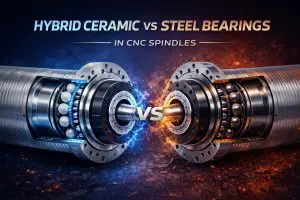
Performance, Heat, Speed, and Longevity Compared CNC spindle performance depends heavily on bearing selection. Two of the most common options are traditional steel bearings and hybrid ceramic bearings (ceramic balls with steel races). While both serve important roles, they perform differently under high RPM, heavy load, and thermal stress. Understanding those differences helps determine whether…
Read MoreCNC Spindle Bearing Replacement
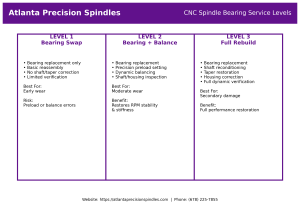
What Levels of Repair Exist — and What Type of Bearings Are Used? Bearing replacement is one of the most common services performed during CNC spindle repair. However, not all bearing replacements are equal. The level of service, preload control, balance procedures, and bearing type selection dramatically affect long-term performance. This guide explains: Why Bearing…
Read MoreCase Study: When a Stuck Tool Holder Turned Into a Full Spindle Rebuild
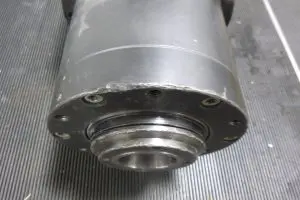
A HSD ES915A spindle was hand-delivered to Atlanta Precision Spindles after a tool holder reportedly became stuck in the taper.
Read MoreSteel Milling Spindle Preventative Maintenance
Protect Torque Stability, Stiffness, and Thermal Control Under Load Steel milling spindles operate under sustained cutting forces, deep engagements, and long cycle times. Unlike high-speed finishing applications, steel machining exposes spindle wear through load-dependent chatter, shrinking process windows, and thermal drift. Preventative maintenance in steel milling is about identifying those load-related changes early — before…
Read More5-Axis Spindle Preventative Maintenance
Protect Accuracy, Surface Finish, and Multi-Orientation Stability 5-axis machining introduces stresses that traditional vertical or horizontal machines never see. As the head tilts and rotates, load direction, leverage, and thermal behavior constantly change. Because of this, spindle wear in 5-axis systems often appears only at certain angles or during complex toolpaths. Preventative maintenance in 5-axis…
Read MoreGrinding Spindle Preventative Maintenance
Grinding spindles operate under continuous radial load, long duty cycles, and tight surface finish tolerances. Unlike milling or routing spindles, grinding spindles rarely fail loudly. Instead, they gradually signal wear through finish degradation, heat buildup, size variation, and process instability. Preventative maintenance is about recognizing those early signals—before scrap, rework, or catastrophic damage occurs. Why…
Read MoreCNC Routing Spindle Preventative Maintenance
Stop Finish Problems and Tool-Life Loss Before the Spindle Fails CNC routing spindles often run long hours under constant side load. Because of that duty cycle, routing spindles rarely “fail all at once.” Instead, they typically show early warning signs through finish quality, edge condition, tool life, and heat—well before you hear obvious vibration. This…
Read More