
HSD ES Series Spindle Repair
HSD ES Series Spindle Repair & Rebuild Services
Overview
The HSD ES Series represents one of the most widely deployed electrospindle platforms in CNC routing, composite machining, and panel processing applications. ES series spindles are available in multiple frame sizes, torque classes, cooling configurations, and taper styles including ISO and HSK variants.
The ES platform includes:
- Compact ISO20 units (ES920)
- ISO30 mid-frame spindles (ES325, ES330, ES351)
- 132mm frame high-speed units (ES368, ES367)
- 142mm frame heavy production units (ES950, ES951)
- 150mm frame high-torque industrial units (ES779, ES789)
This wide range means failure patterns vary significantly by size and duty cycle.
ES Series Frame Classes
🔹 Small Frame (ISO20)
- ES920
- Fan cooled
- Light-duty applications
- 1–1.5 kW range
🔹 Compact ISO30 Frame (119.5 x 102.5 mm)
Common in:
- Wood routers
- Plastic machining
- Entry-level CNC centers
🔹 132 x 132 mm Frame (Liquid Cooled)
Running the ES368 at 36,000 RPM? See our ES368 repair and failure guide.
Common in:
- Composite trimming
- Robotic machining
- High-speed panel work
🔹 142 x 145 mm Frame (High Production)
Common issues in this frame class: ES950 — motor fault or bearing failure? and ES951 — problems appearing after tool changes.
Common in:
- Nested-based manufacturing
- Panel processing
- High-duty router centers
🔹 150 x 150 mm Frame (Heavy Industrial)
Used in:
- Multi-axis systems
- Aggregate setups
- Heavy composite cutting
🔍 Common ES Series Failure Categories
1️⃣ Bearing Failure (Most Common)
Across all ES models:
- Contamination
- Overload
- Cooling degradation
- Tool imbalance
Higher RPM models (ES351, ES368 36k) are especially sensitive.
For a detailed breakdown of bearing types, failure causes, and replacement considerations specific to HSD spindles, see our HSD Spindle Bearing Guide.2️⃣ Tool Clamp / Drawbar Wear
More common in:
- ISO30 units
- High tool-change production environments
- Aggregate-equipped machines
3️⃣ Cooling-Related Failures
Fan-cooled units:
- Dust loading
- Airflow restriction
Liquid-cooled units:
- Restricted flow
- Scale buildup
- Incorrect coolant mix
4️⃣ Electrical / Sensor Faults
Optional features such as:
- Vibration sensors
- Thermal sensors
- Wi-Fi / myHSD
Can trigger fault codes before mechanical failure becomes visible.
Why ES Series Spindles Fail Early
Common field mistakes include:
- Running damaged pull studs
- Ignoring early vibration
- Pushing aluminum cuts on low-power models
- Running high RPM without balancing tooling
- Poor contamination control
Our ES Series Rebuild Approach
Regardless of frame size:
- Full teardown and inspection
- Shaft and taper evaluation
- Bearing replacement with matched set
- Preload calibration
- Clamp force testing
- Cooling validation
- Dynamic balancing
- Thermal run testing
- HSD ES929 Spindle Repair
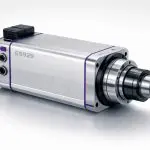 ← Back to HSD ES Series Spindle Repair HSD ES929 Spindle Repair HSD ES929 Rebuild Services — HSK63F and ISO30 Configurations The HSD ES929 is…
 - HSD ES351 Spindle Repair
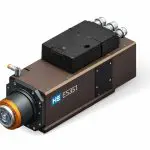 ← Back to HSD ES Series Spindle Repair HSD ES351 Rebuild Services — 30,000 RPM ISO30 Compact Spindle The HSD ES351 sits in the same…
 - HSD ES325 Spindle Repair
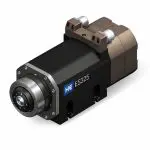 ← Back to HSD ES Series Spindle Repair HSD ES325 Rebuild Services — ISO30 Compact Frame The HSD ES325 is a compact ISO30 electrospindle in…
 - HSD ES330 Spindle Repair
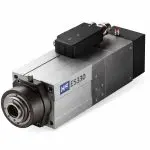 ← Back to HSD ES Series Spindle Repair HSD ES330 Rebuild Services — ISO30 Mid-Range Production Spindle The HSD ES330 is one of the most…
 - HSD ES920 Spindle Repair
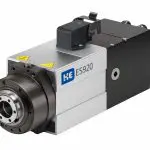 ← Back to HSD ES Series Spindle Repair HSD ES920 Rebuild Services — ISO20 Compact ATC Spindle The HSD ES920 is the smallest spindle in…
 - HSD ES367 Spindle Repair
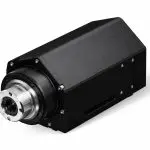 ← Back to HSD ES Series Spindle Repair HSD ES367 Rebuild Services — High-Torque Synchronous 132mm Spindle The HSD ES367 is a liquid-cooled synchronous electrospindle…
 - HSD ES368 Spindle Repair← Back to HSD ES Series Spindle Repair HSD ES368 Spindle Repair HSD ES368 Rebuild Services — 132mm High-Speed Liquid-Cooled Spindle The HSD ES368 is…
- HSD ES779 Spindle Repair
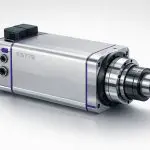 ← Back to HSD ES Series Spindle Repair HSD ES779 Spindle Repair & Rebuild Services Overview The HSD ES779 is a high-performance electrospindle in the…
 - HSD ES789 Spindle Repair
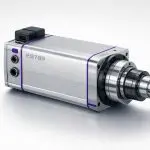 ← Back to HSD ES Series Spindle Repair HSD ES789 Spindle Repair & Rebuild Services The HSD ES789 is a high-output electrospindle commonly used in…
 - HSD ES950 Spindle Repair & Rebuild Services
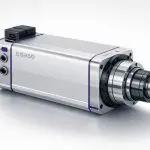 Overview The HSD ES950 is a common production electrospindle used in wood, plastic, and composite machining environments where reliable automatic tool change performance is needed…
 - HSD ES951 Spindle Repair
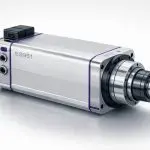 HSD ES951 Spindle Repair & Rebuild Services Overview The HSD ES951 is one of the most widely deployed high-power electrospindles in composite, wood, aluminum, and…
 - HSD ES988 Spindle Repair: Repair, Upgrade, or Replace?
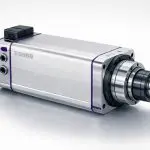 ← Back to HSD ES Series Spindle Repair If you’re researching HSD ES988 spindle repair, you’re often at a crossroads. The spindle still runs, but…
 - HSD ES951 Spindle Repair: When Problems Appear After Tool ChangesIf you’re researching HSD ES951 spindle repair, you’re often dealing with a pattern that’s hard to pin down. The spindle may run acceptably during cutting,…
- HSD ES950 Spindle Repair: Motor Problem or Bearing Failure?← Back to HSD ES Series Spindle Repair If you’re researching HSD ES950 spindle repair, you’re often facing a confusing situation. The spindle may trigger…
- HSD ES939 Spindle Repair: When Vibration Appears Only at Top RPM
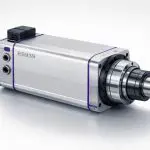 ← Back to HSD ES Series Spindle Repair If you’re researching HSD ES939 spindle repair, you’re likely seeing a very specific pattern: the spindle runs…
 - HSD ES929 Spindle Repair: When Aluminum Cutting Starts Causing Chatter← Back to HSD ES Series Spindle Repair If you’re researching HSD ES929 spindle repair, you’re often facing a very specific problem: the spindle performs…
- HSD ES915 Spindle Repair: When Heat and High RPM Start Affecting Performance
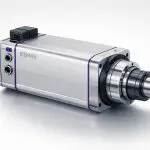 If you’re researching HSD ES915 spindle repair, you’re likely dealing with performance issues that appear only under demanding conditions. The spindle may run smoothly at…
 - HSD ES789 Spindle Repair: When Finish Quality Declines Without Obvious VibrationIf you’re looking into HSD ES789 spindle repair, you’re likely dealing with a frustrating problem: finish quality is getting worse, but the spindle doesn’t sound…
- HSD ES779 Spindle Repair: When Tool Changes Start Affecting Cut QualityIf you’re researching HSD ES779 spindle repair, chances are you’re dealing with something subtle—but disruptive. Unlike spindles that fail with constant noise or vibration, the…
- HSD ES330 Spindle Repair: Symptoms, Failures, and Repair Options
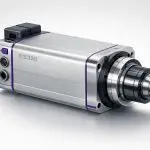 If you’re searching for HSD ES330 spindle repair, you’re usually trying to answer one of three questions: This page focuses on those real-world decisions—because most…