
HSD ES Series
HSD ES951 Spindle Repair
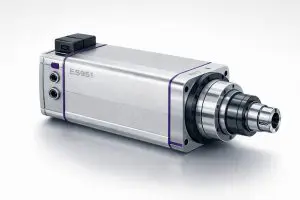
HSD ES951 Spindle Repair & Rebuild Services Overview The HSD ES951 is one of the most widely deployed high-power electrospindles in composite, wood, aluminum, and plastic machining environments. It is available in multiple power configurations ranging from 8 kW up to 30 kW (S6), with maximum speeds of 24,000 RPM or 36,000 RPM depending on…
Read MoreHSD ES988 Spindle Repair: Repair, Upgrade, or Replace?
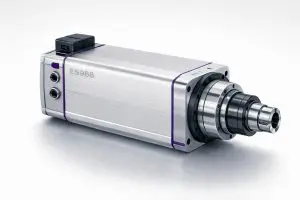
← Back to HSD ES Series Spindle Repair If you’re researching HSD ES988 spindle repair, you’re often at a crossroads. The spindle still runs, but performance under load has changed. Vibration increases during aggressive cuts, heat builds during long cycles, and productivity begins to suffer. For ES988 users, the real question usually isn’t “Is something…
Read MoreHSD ES951 Spindle Repair: When Problems Appear After Tool Changes
If you’re researching HSD ES951 spindle repair, you’re often dealing with a pattern that’s hard to pin down. The spindle may run acceptably during cutting, but alarms, hesitation, or instability appear after tool changes—especially during acceleration back to speed. This behavior is common with ES951 spindles and is frequently linked to bearing wear aggravated by…
Read MoreHSD ES950 Spindle Repair: Motor Problem or Bearing Failure?
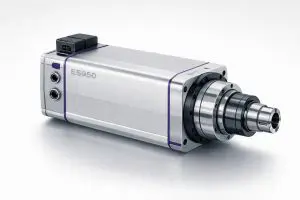
← Back to HSD ES Series Spindle Repair If you’re researching HSD ES950 spindle repair, you’re often facing a confusing situation. The spindle may trigger alarms, hesitate during ramp-up, or show inconsistent performance — yet vibration and cutting quality don’t always clearly point to a mechanical failure. This is a common ES950 scenario. Because the…
Read MoreHSD ES939 Spindle Repair: When Vibration Appears Only at Top RPM
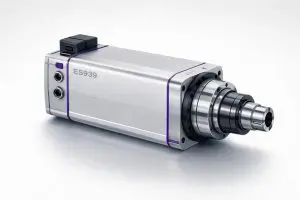
← Back to HSD ES Series Spindle Repair If you’re researching HSD ES939 spindle repair, you’re likely seeing a very specific pattern: the spindle runs smoothly at lower and mid-range speeds, but vibration or noise appears when operating near its maximum RPM. Operators may reduce speed to keep the machine stable, even though the spindle…
Read MoreHSD ES929 Spindle Repair: When Aluminum Cutting Starts Causing Chatter
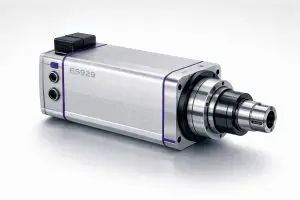
← Back to HSD ES Series Spindle Repair If you’re researching HSD ES929 spindle repair, you’re often facing a very specific problem: the spindle performs acceptably in wood or plastics, but begins to chatter or vibrate noticeably when cutting aluminum or handling heavier loads. This pattern is common with ES929 spindles and usually points to…
Read MoreHSD ES915 Spindle Repair: When Heat and High RPM Start Affecting Performance
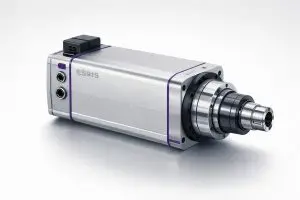
If you’re researching HSD ES915 spindle repair, you’re likely dealing with performance issues that appear only under demanding conditions. The spindle may run smoothly at lower speeds, yet begin to vibrate, lose finish quality, or generate excess heat when operated near its upper RPM range. This page focuses on that specific behavior—because ES915 issues are…
Read MoreHSD ES789 Spindle Repair: When Finish Quality Declines Without Obvious Vibration
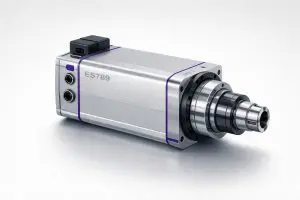
If you’re looking into HSD ES789 spindle repair, you’re likely dealing with a frustrating problem: finish quality is getting worse, but the spindle doesn’t sound bad and nothing obvious appears “broken.” Edges lose sharpness, surfaces feel inconsistent, and small defects begin to appear even though tooling and programs haven’t changed. This is a common ES789…
Read MoreHSD ES779 Spindle Repair: When Tool Changes Start Affecting Cut Quality
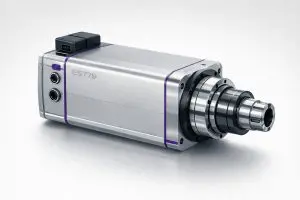
If you’re researching HSD ES779 spindle repair, chances are you’re dealing with something subtle—but disruptive. Unlike spindles that fail with constant noise or vibration, the ES779 often creates problems that show up between tool changes. Finish quality varies from tool to tool, vibration feels inconsistent, and it becomes difficult to tell whether the issue is…
Read MoreHSD ES330 Spindle Repair: Symptoms, Failures, and Repair Options
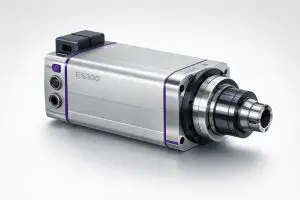
If you’re searching for HSD ES330 spindle repair, you’re usually trying to answer one of three questions: This page focuses on those real-world decisions—because most ES330 problems show up as process problems first (finish, chatter, tool life), then become mechanical problems if ignored. Atlanta Precision Spindles supports high-speed spindle repair with contamination control, correct bearing…
Read More