
Repair FAQs
IBAG Spindle Comparison Guide
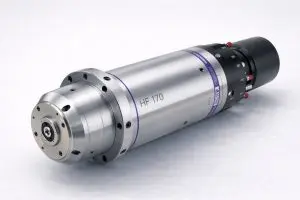
Understanding IBAG HF-Series Performance Issues by Application IBAG spindles are designed for precision machining environments where accuracy, finish, and stability matter more than raw speed. When performance begins to change, failures rarely appear as sudden breakdowns. Instead, users notice gradual, application-specific symptoms that depend heavily on spindle size, torque capacity, and duty cycle. This guide…
Read MoreGMN UH 120 Spindle Repair: When Form Accuracy Starts to Slip
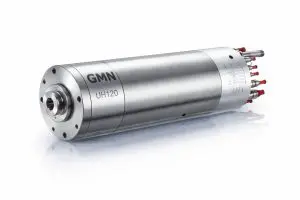
If you’re researching GMN UH 120 spindle repair, the spindle likely still runs quietly and smoothly. There’s no chatter, no obvious vibration — yet form accuracy or profile consistency is no longer what it used to be. This is a common UH 120 scenario and typically points to bearing wear affecting stiffness and geometric control,…
Read MoreHSD Spindle Comparison Guide
← Back to HSD Spindle Repair Understanding Common HSD Spindle Problems by Model HSD spindles are used across a wide range of CNC routing and production environments, from high-speed finishing to heavy, continuous operation. While they share a common design philosophy, different HSD spindle models tend to fail in different ways, depending on how they’re…
Read MoreHSD ES988 Spindle Repair: Repair, Upgrade, or Replace?
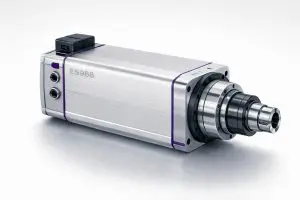
← Back to HSD ES Series Spindle Repair If you’re researching HSD ES988 spindle repair, you’re often at a crossroads. The spindle still runs, but performance under load has changed. Vibration increases during aggressive cuts, heat builds during long cycles, and productivity begins to suffer. For ES988 users, the real question usually isn’t “Is something…
Read MoreHSD ES950 Spindle Repair: Motor Problem or Bearing Failure?
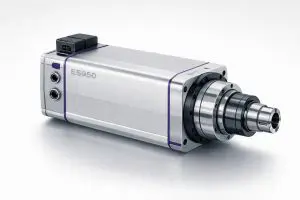
← Back to HSD ES Series Spindle Repair If you’re researching HSD ES950 spindle repair, you’re often facing a confusing situation. The spindle may trigger alarms, hesitate during ramp-up, or show inconsistent performance — yet vibration and cutting quality don’t always clearly point to a mechanical failure. This is a common ES950 scenario. Because the…
Read MoreHSD ES939 Spindle Repair: When Vibration Appears Only at Top RPM
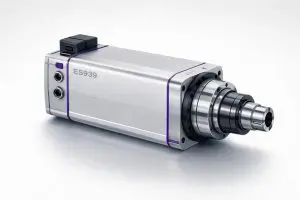
← Back to HSD ES Series Spindle Repair If you’re researching HSD ES939 spindle repair, you’re likely seeing a very specific pattern: the spindle runs smoothly at lower and mid-range speeds, but vibration or noise appears when operating near its maximum RPM. Operators may reduce speed to keep the machine stable, even though the spindle…
Read MoreHSD ES929 Spindle Repair: When Aluminum Cutting Starts Causing Chatter
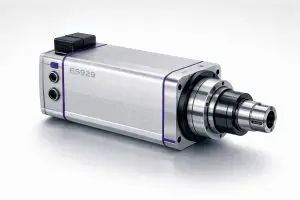
← Back to HSD ES Series Spindle Repair If you’re researching HSD ES929 spindle repair, you’re often facing a very specific problem: the spindle performs acceptably in wood or plastics, but begins to chatter or vibrate noticeably when cutting aluminum or handling heavier loads. This pattern is common with ES929 spindles and usually points to…
Read MoreWhy Wait Until Failure?
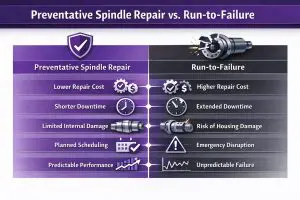
The Hidden Cost of Running a CNC Spindle to the Breaking Point In many shops, spindle repair only happens after failure. The machine alarms, production stops, and the spindle gets pulled in an emergency. While this approach may feel unavoidable, it is also one of the most expensive ways to manage CNC spindle performance. At…
Read MoreHow Vibration Accelerates CNC Spindle Bearing Failure
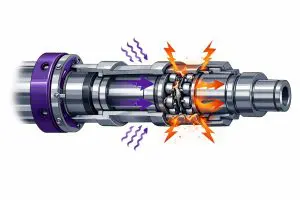
Understanding the Hidden Damage Inside the Spindle Vibration is one of the most destructive forces inside a CNC spindle. While contamination often starts the failure process, vibration rapidly accelerates bearing wear and shortens spindle life. Even small increases in vibration can multiply internal stress, leading to heat buildup, lubrication failure, and premature bearing damage. This…
Read MoreHow Spindle Contamination Leads to Bearing Failure
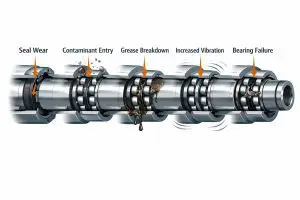
A Step-by-Step Look Inside CNC Spindle Damage CNC spindle failure rarely happens all at once. In most cases, damage begins with microscopic contamination and progresses gradually until vibration, heat, and bearing failure become impossible to ignore. Understanding this progression helps operators identify problems early and avoid costly downtime. This diagram illustrates the five most common…
Read More